This is the route we suggest to friends on a first trip who want more than the checklist. It keeps to three bases, spends the early mornings that jet lag gives you in Tokyo, and saves the late nights for Kyoto and Osaka. Every activity leaves part of the day free.
Day 1: Arrive in Tokyo
Arrive in Tokyo
Stay on the east side, in Asakusa or Ryogoku, on either bank of the Sumida River. The next two mornings both start there. Eat early and sleep early.
Day 2: Sumo practice in Ryogoku
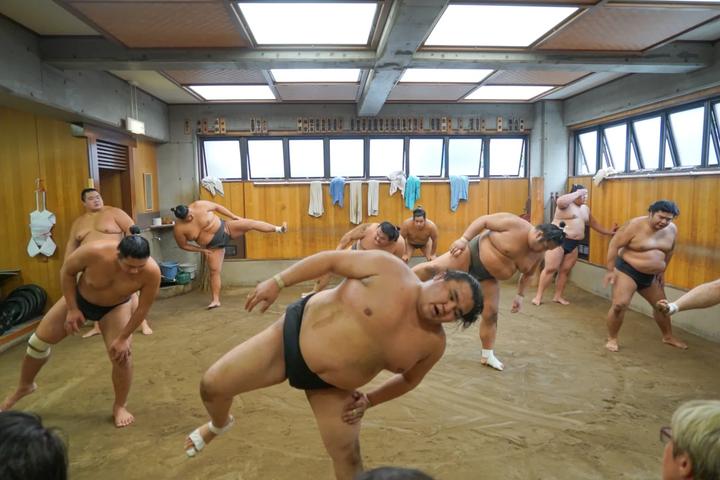
Sumo stable morning practice with a local guide
Jet lag will wake you early, so use it. Morning practice at a sumo stable is usually closed to visitors. Here you watch it for about two hours, close enough to hear the slaps and the stamps on the clay, with a guide who explains the rituals as they happen and a printed guidebook to follow along. Groups are capped at 15. The afternoon is yours.
Day 3: Old Tokyo in Asakusa
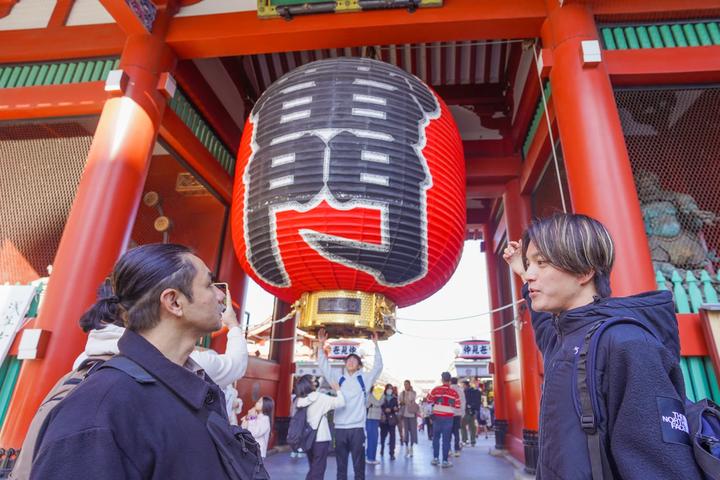
Old Tokyo Asakusa Walk with Matcha and Monjayaki
Three hours with a guide who lives in the neighborhood: the lanes around Sensoji first, then a tea house where you whisk your own matcha, then a restaurant where you cook lunch yourself, monjayaki, a Tokyo dish, or okonomiyaki. Groups are capped at eight, and there is a vegetarian option.
Day 4: Shinkansen to Kyoto, dinner in Gion
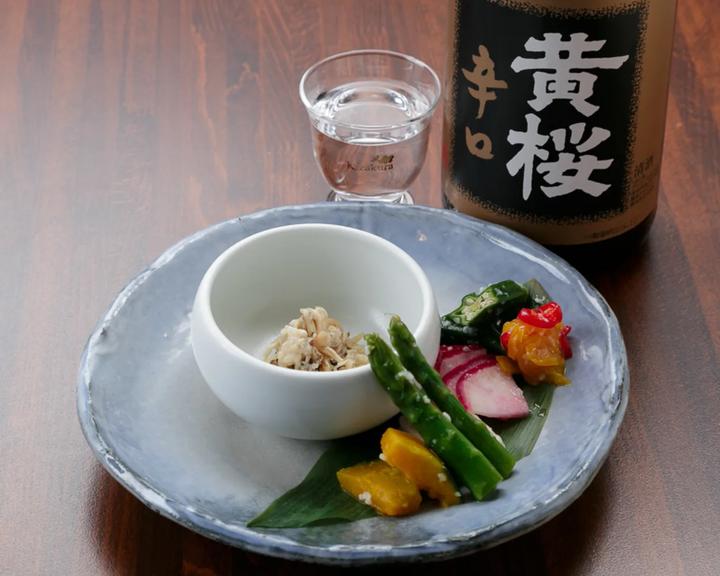
Kyoto night food tour in Gion and Pontocho
The Nozomi takes about two hours and fifteen minutes from Tokyo Station. Check in near Gion or Higashiyama and rest. The food tour meets near Gion Shijo Station as the lanterns come on and spends about three and a half hours in the alleys of Gion and Pontocho: a family-run izakaya, seasonal dishes in an old townhouse, a tasting of three local sakes and matcha to finish. The vegetable menu still uses fish broth, so strict vegetarians should plan around it.
Day 5: Arashiyama before the crowds
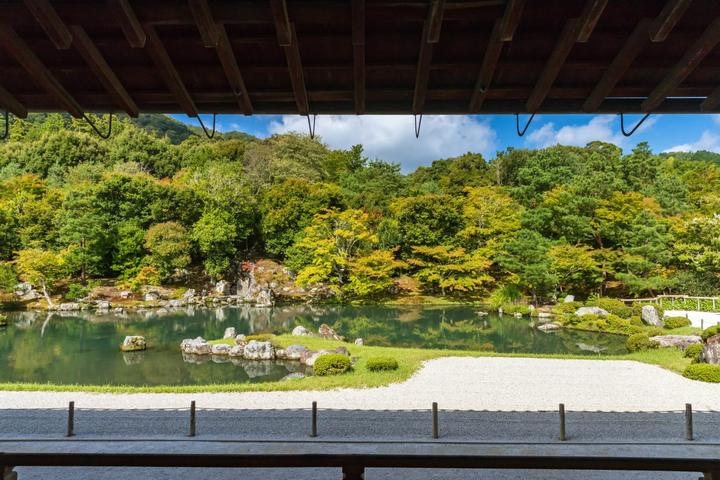
Arashiyama Bamboo & Temples Walk with Michelin Lunch
Take the JR line from Kyoto Station to Saga-Arashiyama, where the walk sets off before the streets fill. It follows a quieter path through the Bamboo Grove, then Tenryu-ji's garden and a second temple, and ends with a Buddhist vegetarian lunch served inside Tenryu-ji. It is about five hours on foot and not a good fit for anyone with mobility issues. Keep the evening quiet.
Day 6: Fushimi Inari at first light
Fushimi Inari at first light
Fushimi Inari never closes, and it is emptiest at dawn. The JR Nara line reaches Inari Station in about five minutes from Kyoto Station, and the shrine is across the road from the station. Come back down for breakfast and spend the afternoon walking the lanes of Higashiyama toward Kiyomizu-dera.
Day 7: Osaka, four eras in Tenma
Osaka bar crawl through four eras in Tenma
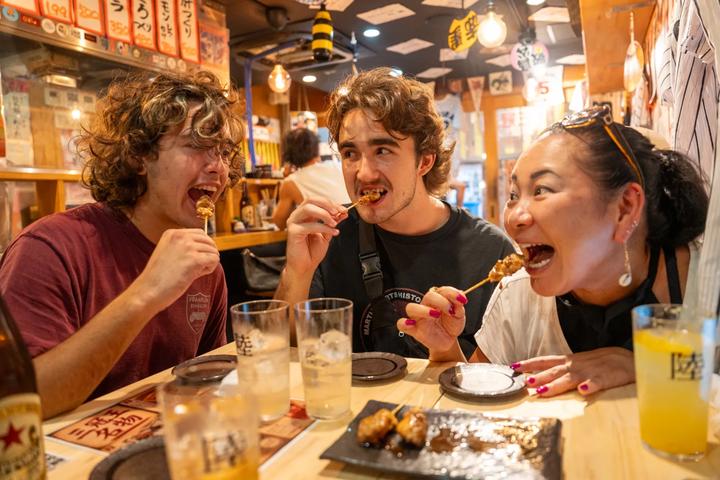
The JR Special Rapid reaches Osaka Station in about 30 minutes, and Temma is one stop around the Loop Line. The crawl moves through four eras of Osaka food and drink: sushi with sake, a pairing from the Edo period, then prewar kushikatsu with beer, postwar skewers and gyoza, and a modern dessert to close, with at least six drinks along the way. The pace is loose, so stay longer at any stop you like.
Day 8: Home from Kansai
Home from Kansai
The Haruka express from Shin-Osaka takes about 50 minutes to Kansai airport. Leave the morning free.